
Boutique hotel marketing · Case study
Boutique hotel marketing: from OTA dependency to a 13.6x return on ad spend
Hotel Las Clementinas had a unique product and almost no direct demand. In under nine months, we moved its share of OTA bookings from 80% to 55% and won 317 additional direct bookings, at $9.83 each.
- 13.6xreturn on ad spend
- 317additional direct bookings
- 80% → 55%share of bookings through OTAs
- $9.83cost per booking vs. $134 average booking value
- +43%direct website traffic
01
The client
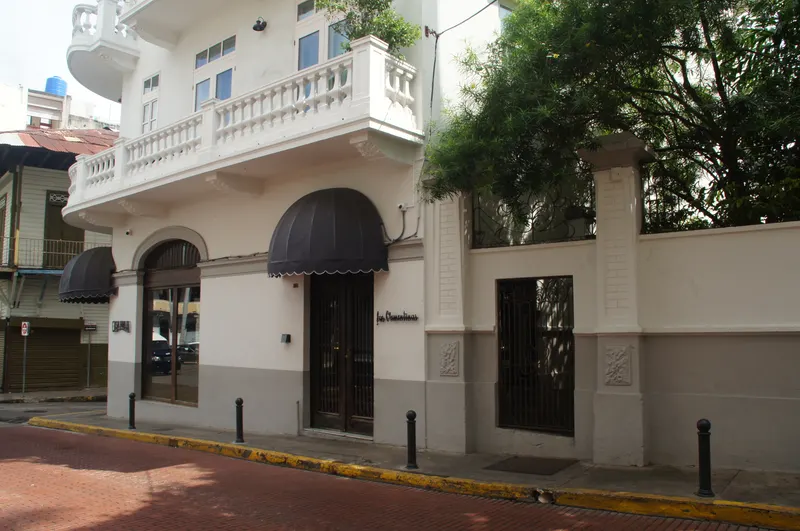
Hotel Las Clementinas is a boutique hotel in Casco Antiguo, Panama City's historic district: a restored building with history, personality and the kind of experience travelers remember. It's exactly the type of property guests love once they find it.
That was the problem: finding it.
02
The challenge: invisible outside the OTAs
Eighty percent of Las Clementinas' bookings came through online travel agencies like Booking.com and Expedia. Those platforms brought guests, and they charged commissions of up to 25% per booking, controlled the guest relationship and decided how visible the hotel was in their results.
Outside the OTAs, the hotel had little digital presence. Travelers looking for a special place to stay in Casco Antiguo weren't finding its website, and those who did had little reason to book there instead of on the platform they already used.
The hotel didn't need more awareness for its own sake. It needed direct bookings, profitably.
03
The diagnosis
Before choosing channels, I looked at where bookings came from, how the website and booking flow converted, which searches travelers used and how competitors and OTAs showed up for them. The conclusion was clear: the hotel was paying intermediaries for demand it could capture itself, and it had no system to win back travelers who visited the site but didn't book.
04
The strategy
The plan built owned channels, each with a specific job:
- SEO so the hotel would appear for the searches travelers use to find a boutique stay in Casco Antiguo, and win the searches with its own name.
- Google Ads aimed at people actively searching for accommodation in the area, sent to pages built to convert.
- Meta Ads for luxury and cultural travel audiences, with visual creative that sold the experience.
- Retargeting to bring back visitors who checked dates but didn't book.
- A visual content strategy that showed what no OTA listing could: the building, the details and the neighborhood.
Every campaign was measured by direct bookings and cost per booking, not by clicks or reach.
05
The results
In under nine months:
- OTA dependency fell from 80% to 55% of bookings.
- 317 additional direct bookings.
- $9.83 cost per booking, against an average booking value of $134.
- 13.6x return on ad spend.
- +43% direct website traffic.
Each direct booking cost a small fraction of what an OTA commission would have taken, and the hotel kept the relationship with the guest for future stays.
06
What made it work
Measuring the right thing. Because we tracked cost per direct booking from the start, every budget decision was easy: invest more where bookings cost less.
Selling the experience, not the room. Boutique hotels win on what makes them different. The content and creative focused on that, which made booking direct feel like part of the experience.
Capturing intent, not just attention. Google Ads and SEO reached travelers who were already deciding where to stay. Meta Ads and retargeting kept the hotel present while they made up their minds.
07
Applying this to your hotel
Every property is different, but the method transfers: diagnose where bookings and money leak, build the owned channels that fit your guests and measure each one by direct bookings.
See how I approach hotel marketing for independent hotels, resorts and hospitality brands, or learn how I work as a fractional CMO.
- Before
- 80%
- After
- 55%
Related
Keep exploring
FAQ
Frequently asked questions
What makes boutique hotel marketing different?
Boutique hotels compete on experience, not on price or loyalty points. Their marketing has to show what makes the stay unique and reach travelers who value it, which is something an OTA listing does poorly. The upside is that once a boutique hotel tells its story well, guests are often happy to book direct.
How long did it take to see results?
The full results in this case were achieved in under nine months. Paid campaigns produced direct bookings early on, while SEO and content built momentum over the following months.
Can this work for a hotel with a small marketing budget?
Yes, if the budget goes to the right places first. In this case, each direct booking cost less than $10 in ads. The key is measuring the cost per booking from day one, so the budget follows what works.